Where to Drive
The coast rewards a good car. These are the roads and destinations worth the fuel, with honest notes on gates, surfaces and timing.
Punta Cana is sixty kilometers of coast strung together by one good road, with gated enclaves at one end and wilder beaches at the other, and a car changes what the trip is. The notes below cover where to point it and what each destination asks of the vehicle. Times are measured from the airport, since that is where most rentals begin.
Six places worth the fuel
Juanillo Beach
Drive time: about 20 minutes from PUJ, inside the Cap Cana gate.
The public-facing beach of Cap Cana and one of the calmest stretches of sand in the region. Go on a weekday morning: parking sits close to the sand, the beach clubs hold the best sections, and the free stretch fills early, so budget for a day-bed minimum or arrive before the crowds. Any car in the fleet manages the run, because the roads inside Cap Cana are the best on the coast, wide, smooth and lit.
Marina Cap Cana
Drive time: 15 minutes from PUJ to the gate, a few more to the water.
The marina is the evening address of the coast: restaurants around the water, sportfishing boats coming in late afternoon, easy parking. It is at its best from six onward. Book dinner ahead in high season, and carry the confirmation on your phone, because for visitors the reservation is also what opens the barrier at the checkpoint.
Punta Espada
Drive time: about 20 minutes from PUJ; from Bavaro allow 40 and leave near sunrise.
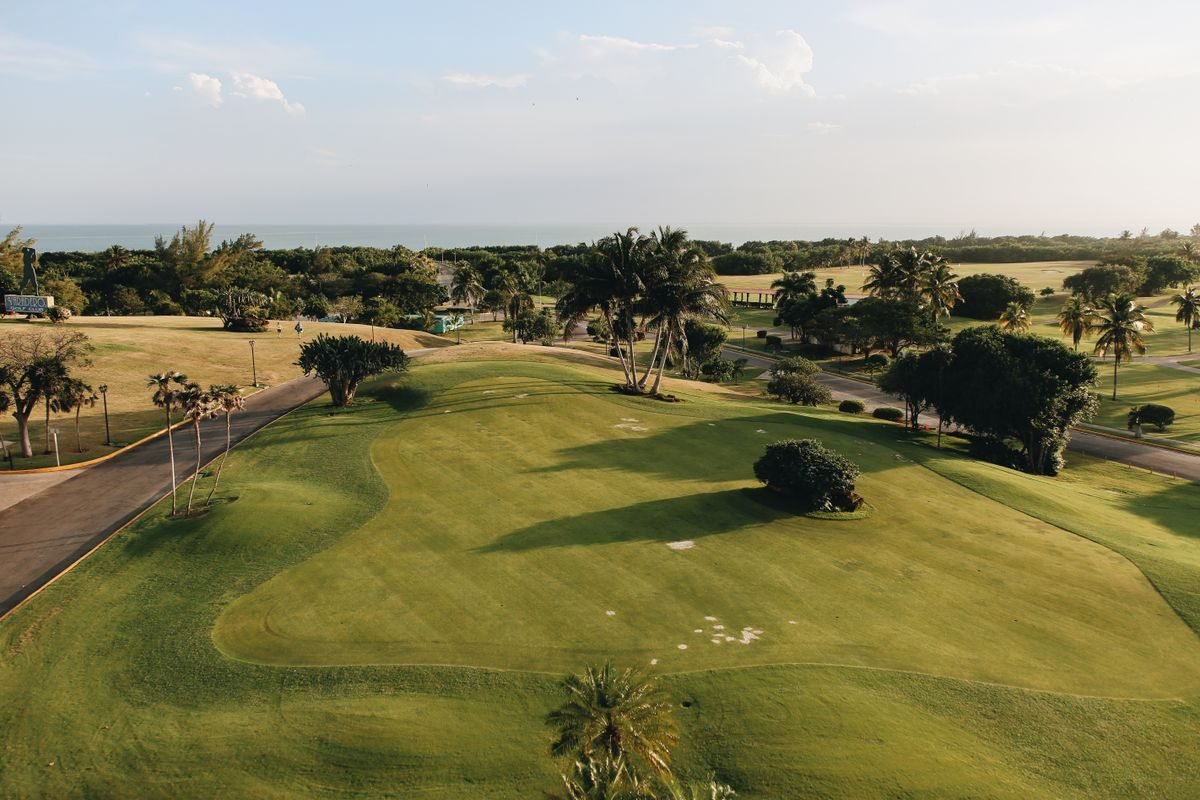
The golf course occupies the clifftop south of the marina, and tee times run early to beat the heat, so staying inside Cap Cana the night before a round, in a villa rather than a hotel room, saves an hour of sleep. The clubhouse road is immaculate. Golf bags argue for the SUV or a chauffeured van.
Uvero Alto
Drive time: 45 minutes north of the airport.
The coast empties out here into the frontier end of the strip: newer resorts, darker sand, surfable water, far fewer people. The main road is decent the whole way, the last kilometers to some beaches and villas are not, and after rain they turn rough enough to matter. This is SUV territory, and since the drive itself is the point, take it in daylight.
Boulevard Turistico del Este
Drive time: the road itself; airport to central Bavaro in about 25 minutes.
The Boulevard ties the whole strip together, running inland behind the resorts, two lanes each way for most of its length, smooth and fast by local standards. Two habits keep it boring in the good sense: hold the limit through the radar zones near the airport, and treat every pedestrian crossing and unpainted speed bump as live. At night, expect unlit motorcycles on the shoulder. Central Bavaro along this road holds the restaurants that are not on a meal plan and the Palma Real Shopping Village, with a supermarket nearby for villa provisioning; traffic there is dense with motorcycles and shuttle buses at midday, slow rather than difficult.
La Romana and Casa de Campo
Drive time: about an hour west on the Autopista del Coral.
The Autopista del Coral is a modern toll highway, and it makes this the easiest long trip on the menu. Carry small cash for the toll plazas. Casa de Campo, Altos de Chavon and the Marina de Casa de Campo fill a day comfortably, and the stone streets of Altos de Chavon above the Chavon river are worth the detour alone. Any saloon handles the trip well.
Two more stops fit around these. Playa Blanca, south of the airport inside the Puntacana Resort lands, is a white, quiet beach with a well-known restaurant on the sand; the access road is controlled, a lunch reservation gets you through without ceremony, and it is one of the few beach runs where a convertible is fine the whole way. Santo Domingo sits two and a half hours out on the same toll highway, and its colonial zone, the oldest European city district in the Americas, deserves five or six hours on foot. Leave by seven, park once near the zone and walk, and start back by four to avoid arriving in the dark. Most people hand that day to a chauffeur, with reason.